


Fast food has always been about convenience, affordability, and familiar flavors. But the way younger generations think about fast food is changing.
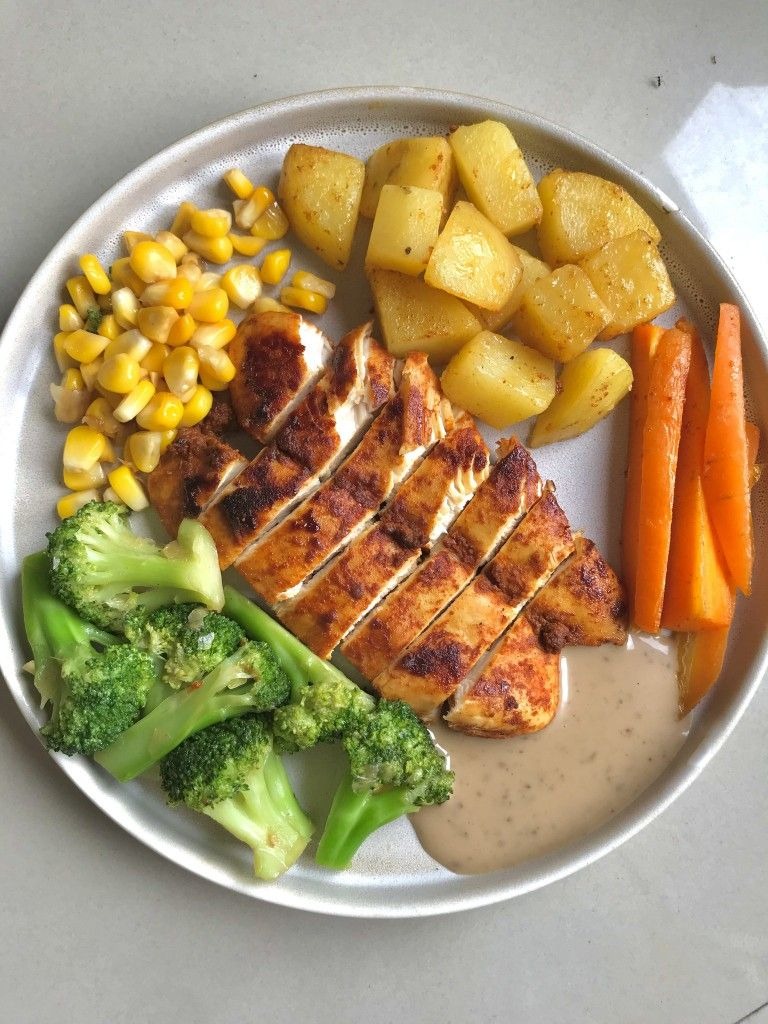
Today, customers are increasingly interested in what goes into their meals, how food fits into their lifestyle, and whether a quick meal can still align with their health-conscious choices. For restaurants, this shift creates an opportunity to rethink what fast food means.
At Burger Buz, we believe a great burger experience doesn’t have to be complicated. It’s about flavorful food, quality ingredients, and giving customers choices that fit the way they eat today.
How Has Fast Food Changed Across Generations?
Older generations often grew up with fast food as an occasional treat or a convenient solution when families were busy. Burgers, fries, fried chicken, and soft drinks became familiar staples of the American dining experience.
Younger consumers still enjoy these foods, but their expectations are evolving.
Research from Segmanta’s 2020 survey of more than 2,000 U.S. consumers ages 15–39 found that health concerns were a significant reason some respondents avoided fast food. Among respondents who rarely or never ate fast food, 46% cited concerns about nutritional value and health.
This doesn’t mean younger consumers have stopped eating fast food. Instead, it suggests that the demand for fast food is increasingly connected to quality, transparency, convenience, and personal preferences.
Gen Z and Millennials Still Love Fast Food
Despite growing health awareness, fast food remains popular among younger consumers.
The same Segmanta research found that convenience was the leading reason Gen Z and Millennials found fast food attractive, with 72% selecting convenience as a reason. Older Millennials were particularly likely to choose fast food because it was convenient.
That’s an important distinction.
Younger customers aren’t necessarily choosing between fast food and healthy food. Many are looking for ways to enjoy convenient food while making choices that feel better suited to their lifestyles.
The Health-Conscious Fast Food Customer
Today’s fast food customer may ask questions that previous generations didn’t always consider.
They may want to know:
- What ingredients are in the meal?
- Is there a grilled or lighter option?
- Can I customize my order?
- Does the meal fit my lifestyle?
- Are there options beyond traditional fast food?
- Can I enjoy a burger without feeling like I’m sacrificing quality?
This creates an opportunity for restaurants to offer variety rather than treating every customer the same.
Taste Still Matters
Health awareness hasn’t eliminated the most important part of eating out: taste.
According to Segmanta’s research, younger respondents continued to value the taste of fast food, while older Millennials were particularly motivated by convenience.
That balance is important for modern fast-food restaurants.
Customers want food that is flavorful and satisfying, but many also appreciate having options that fit their individual preferences.
A restaurant doesn’t necessarily need to choose between flavor and modern food expectations. The goal is to bring both together.
Why Burgers Are Still a Favorite
The burger remains one of America’s most recognizable fast-food meals because it is customizable and familiar.
A burger can be simple or loaded with toppings. Customers can choose different proteins, vegetables, sauces, and sides based on what they enjoy.
For younger consumers, that flexibility can be especially appealing.
Instead of offering a single “standard” meal, restaurants can create an experience where customers have more control over what goes into their order.
Convenience Is Still King
Even as health awareness grows, convenience isn’t going away.
Students, young professionals, parents, and busy families often need food that is quick and easy. The challenge for modern fast-food restaurants is meeting that need while providing food customers actually want to eat.
That’s why the future of fast food may not be about being the fastest option—it may be about providing convenient food that also meets changing expectations.
What This Means for the Future of Fast Food
The fast-food industry is evolving alongside its customers.
Younger generations are helping drive demand for:
- More choice: Customers want options that fit different preferences.
- Better awareness: People increasingly pay attention to ingredients and nutritional value.
- Convenience: Fast service remains a major reason people choose fast food.
- Flavor: Health-conscious choices still need to taste good.
- Customization: Customers appreciate being able to make meals their own.
These trends suggest that the future of fast food isn’t necessarily about abandoning classic favorites. Instead, it is about adapting those favorites to the expectations of today’s customers.
Burger Buz: Fast Food for Today’s Customers
At Burger Buz, we understand that today’s customers have different expectations from fast food.
We believe you shouldn’t have to choose between a convenient meal and food that’s satisfying and full of flavor. Whether you’re grabbing a quick lunch, meeting friends for dinner, or looking for a flavorful burger after a busy day, our goal is to make your experience enjoyable.
As generations change, food preferences will continue to evolve. But one thing remains constant: people want food that tastes good, fits their lifestyle, and is worth coming back for.
Final Thoughts
The relationship between younger generations and fast food is changing—not disappearing.
Gen Z and Millennials still enjoy the convenience and taste of fast food, but many are also paying closer attention to health, quality, and the choices available to them. Research supports the idea that health concerns and convenience are both important factors in how younger consumers approach fast food.
For restaurants, the message is clear: fast food needs to keep evolving with its customers.
And for customers, that means more choices, more flexibility, and more ways to enjoy the foods they love.
Fast can still be flavorful. Convenient can still feel satisfying. And the modern fast-food experience is changing one bite at a time.
